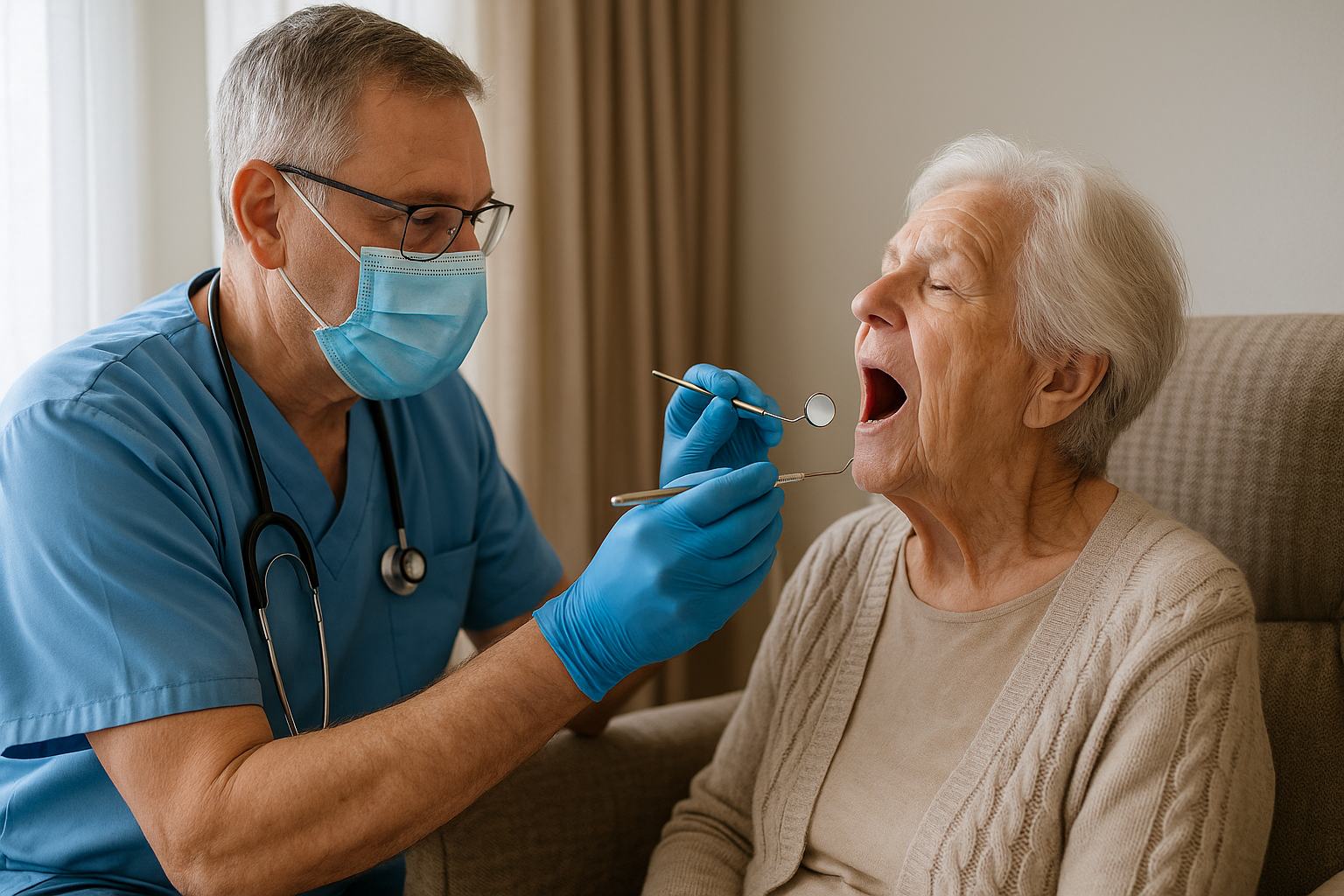
Safe and Professional Home Dental Care for the Elderly: Our Risk-Led Approach By Dr Amir Mostofi DDS, Dip. (Ortho.) MSc (Implant.)
Risk Assessment in Domiciliary Dental Care:
Ensuring Safe Home Dental Treatment for Elderly Patients
Domiciliary dental care, also known as at-home dental treatment, brings essential dental services directly to patients in their own homes or care facilities. It is an invaluable solution for elderly individuals and those with reduced mobility or complex medical conditions who are unable to attend a dental practice. However, treating patients outside a traditional clinical setting presents unique challenges — which is why thorough risk assessment and risk mitigation form the foundation of our approach at the Clinic for Implant & Orthodontic Dentistry in Worthing.
By identifying and planning for potential risks ahead of time, we make home dental care safer, more effective, and more comfortable for our patients.
---
Why Risk Assessment Is a Core Principle of Home Dental Care?
Risk assessment is not simply a regulatory formality—it’s a clinical necessity. Before each home visit, our team carries out a full medical and environmental risk assessment. We consider the patient's health conditions (e.g. heart disease, diabetes, dementia), medications, ability to cooperate, and the nature of the proposed treatment. We also evaluate the home environment for space, access, lighting, and infection control suitability.
This assessment allows us to:
Determine whether treatment can safely proceed at home
Anticipate any medical or logistical challenges
Decide if hospital-based treatment is more appropriate in high-risk cases
By doing so, we help avoid emergencies, delays, and complications, ensuring each patient receives treatment in the safest and most appropriate setting.
---
Risk Mitigation: Enhancing Safety and Outcomes
Once risks have been identified, we implement risk mitigation strategies tailored to each patient. These may include:
* Involving family members or carers in planning and consent
* Adjusting treatment techniques to be less invasive
* Monitoring vital signs during the appointment
* The dentist considers safety requirements before deciding whether a mobile visit is suitable.
* Coordinating with GPs or specialists where appropriate
This proactive approach leads to:
Fewer emergencies and complications
Better healing and treatment outcomes
Increased patient comfort and cooperation
Greater peace of mind for families and carers
---
Alzheimer’s and Dementia: Special Considerations
Patients with Alzheimer’s disease or other forms of dementia require particular sensitivity and planning. Cognitive decline often limits their ability to understand treatment or provide informed consent. Many also suffer from:
* Dry mouth (due to medications)
* Difficulty swallowing (dysphagia)
* Increased risk of aspiration pneumonia
* Resistance to unfamiliar people or procedures
Our approach involves working closely with carers and family members, using calm and reassuring communication, and keeping procedures as short and non-invasive as possible. Where needed, additional support or referral may be discussed with the patient's GP or medical team where clinically appropriate — but only after full medical review.
Some patients may need referral to a more suitable clinical setting or service.
---
Caring for Frail and Medically Complex Patients
Many of our domiciliary patients are medically complex and frail — often managing multiple health conditions such as:
* Cardiovascular disease
* Parkinson’s disease
* Respiratory issues
* Diabetes
These patients are more vulnerable to stress, infection, and medication interactions. Age-related physiological changes also mean that drugs (including local anaesthetics or antibiotics) may act more strongly or linger longer in their systems.
To mitigate these risks, we:
* Shorten appointment times to avoid fatigue
* Position patients for maximum comfort and airway safety
* Closely review all medications and allergies
* Consider whether clinic-based care or referral is more suitable
* Use gentle, modified techniques with emphasis on comfort
We always consult the patient’s GP or medical team if needed, especially when working with anticoagulants or other high-risk medications.
---
## Techniques We Use to Reduce Risk in Home Dental Care
Here at the Clinic for Implant & Orthodontic Dentistry, we apply recognised safety processes during home dental visits:
✅ Detailed Pre-Visit Assessment
We gather health history, medication lists, and information on the home setting beforehand, ensuring we are well-prepared.
✅ Custom Treatment Planning
We tailor the procedure to the patient’s individual risk profile and capabilities.
Safety Considerations Before a Mobile Visit
The dentist considers safety requirements, access, medical history and clinical judgement before deciding whether a mobile visit is appropriate.
✅ Sterile and Safe Setup
We create a clean treatment zone using sterile instruments, protective drapes, and disposable equipment, just as we would in a clinic.
✅ Clear Communication
We explain each step in simple language, pause as needed, and always include the patient’s carer when appropriate.
✅ Careful Pharmaceutical Review
We assess whether any medications (e.g. blood thinners, sedatives) could affect treatment. For example, most dental work can be safely done without stopping anticoagulants — instead, we apply local measures to control bleeding.
✅ Follow-Up and Aftercare
We provide clear post-treatment instructions and a direct line of contact in case of concerns. Follow-up is offered to monitor healing and comfort.
---
Why Choose Our Clinic for Domiciliary Dental Care?
At the Clinic for Implant & Orthodontic Dentistry, domiciliary dental care is delivered with the same clinical standards and safety protocols as in-practice treatment — but with the added warmth, flexibility, and compassion that home visits require. We are experienced in treating:
* Frail elderly patients
* Individuals with dementia or neurological conditions
* Patients with complex medication needs
* Patients in palliative or end-of-life care
We are proud to provide **professional, tailored home dental care. Our commitment to comprehensive risk assessment ensures that each visit is safe, respectful, and successful.
---
Enquire About a Home Dental Visit
If you are caring for an elderly loved one or know someone who struggles to attend a dental practice, our domiciliary dental service may be the ideal solution. Contact our friendly team today to discuss your needs and arrange a risk-free assessment.
📞 01903 821822
🌐 [www.dental-worthing.co.uk](http://www.dental-worthing.co.uk)
📍 7 Chapel Road, Worthing, West Sussex BN11 1EG
Sources:
Scottish Dental Clinical Effectiveness Programme (SDCEP) – Domiciliary dental treatment guidance: Guidance on risk assessment and categorization for home dental visitspsm.sdcep.org.ukpsm.sdcep.org.ukpsm.sdcep.org.ukpsm.sdcep.org.ukpsm.sdcep.org.uk.
Sound Dental Care – Clinical Suitability for Older Patients: Discussion of medical risks (cardiac, respiratory, etc.) in geriatric dental patients and the importance of adjusting care for physiological changes and comorbiditiessounddentalcare.comsounddentalcare.comsounddentalcare.comsounddentalcare.comsounddentalcare.com.
Oral Health and Care for Elderly People with Alzheimer’s Disease – Journal review highlighting challenges like frailty, polypharmacy, dysphagia (swallowing issues), aspiration pneumonia risk, and cognitive impairment in dental care for Alzheimer’s patientspmc.ncbi.nlm.nih.gov.
Alzheimer’s Society – Dental treatment and dementia: Advice that home visits (domiciliary care) can be arranged and that some patients may need care in a more suitable clinical setting or service for a person with dementiaalzheimers.org.uk.
European Journal of General Practice – Dézsi et al. (2017): Evidence that most dental procedures can be done without stopping blood thinners, emphasizing local bleeding management over medication interruption
Caring for Patients with Agoraphobia and Dental Anxiety: Our Commitment to Comfort
Overcoming Dental Anxiety and Agoraphobia: Compassionate Care Tailored to You
Struggling with dental anxiety or agoraphobia can make accessing essential dental care feel overwhelming. At the Clinic for Implant & Orthodontic Dentistry, we specialise in supporting patients who face these challenges by offering care planned to reduce avoidable stress where practical . From our mobile dental service, providing care in the comfort of your home, to supportive care for nervous patients, with advice on whether a mobile visit or clinic appointment may be suitable, we ensure every patient feels safe and cared for.
Don’t let fear hold you back—contact us today to take the first step towards a healthier, more confident smile. Your comfort and well-being are our priority.
For many, visiting the dentist is a routine part of maintaining health. However, for those struggling with dental anxiety or agoraphobia, the thought of sitting in a dental chair can evoke overwhelming fear. At the Clinic for Implant & Orthodontic Dentistry, we recognise these challenges and are committed to providing compassionate care that meets the needs of every patient, no matter their circumstances.
What Is Dental Anxiety, and Why Does It Happen?
Dental anxiety stems from a range of factors, including fear of pain, needles, or the sounds and smells of a dental environment. Negative past experiences or a perceived lack of control during treatment can also contribute to heightened anxiety. In more severe cases, this anxiety becomes a phobia, causing patients to avoid dental care entirely.
For individuals with agoraphobia—marked by an intense fear of situations where escape might seem impossible—accessing dental care is even more challenging. Leaving the safety of home to attend a clinic may feel like an insurmountable obstacle. Combined with generalised anxiety, PTSD, or other mental health conditions, this fear can create a significant barrier to oral health.
The Impact of Avoiding Dental Care
Dental health plays a vital role in overall well-being. Avoiding routine check-ups can lead to issues such as tooth decay, gum disease, infections, and, in extreme cases, oral cancer. Left untreated, these conditions can cause pain, tooth loss, and other serious health complications. Poor oral health is also linked to systemic conditions like diabetes, cardiovascular disease, and respiratory issues.
By attending regular dental visits, patients can catch problems early and prevent the need for more invasive treatments. While good oral hygiene practices at home—such as brushing and flossing—are essential, professional care is crucial for maintaining a healthy smile.
A Personalised Approach to Anxiety and Agoraphobia
At our practice, we are dedicated to supporting patients who face dental anxiety and agoraphobia. Dr. Amir Mostofi, our lead dentist, has over two decades of experience working with anxious patients and has developed a patient-first approach to care. We believe that dental treatment should be as calm and accessible as possible, no matter the individual’s situation.
For those unable to visit our clinic, we offer a mobile dental service that brings professional care directly to the patient’s home. Operating across Sussex, Surrey, London, Bristol, and Suffolk, our services include:
Comprehensive dental assessments
X-rays
Restorative treatments such as fillings and crowns
Extractions and dentures
Our focus is on creating a calm and supportive environment where patients feel safe and cared for. Nervous patients can ask about suitable care approaches; some options may require clinic-based assessment or support where appropriate.
Steps to Overcome Dental Anxiety
Managing dental anxiety begins with open communication. We take the time to understand each patient’s concerns and create a tailored care plan. Techniques such as agreeing on a stop signal during treatment, practising breathing exercises, or listening to calming music can make a significant difference in helping patients feel at ease.
For patients with agoraphobia, receiving care in the familiarity of their own home can be transformative. Our mobile service reduces the stress of travel and unfamiliar settings, empowering patients to regain control over their oral health.
Let Us Support You
At the Clinic for Implant & Orthodontic Dentistry, we believe that every patient deserves access to high-quality dental care, regardless of anxiety or phobias. Whether you choose to visit our clinic or take advantage of our mobile dental service, we are here to ensure your experience is positive and supportive.
Don’t let fear hold you back from achieving a healthy, confident smile. Contact us today to discuss how we can help you or your loved one. Together, we can take the first step towards overcoming anxiety and prioritising your oral health.
We’re here to care for you, every step of the way.
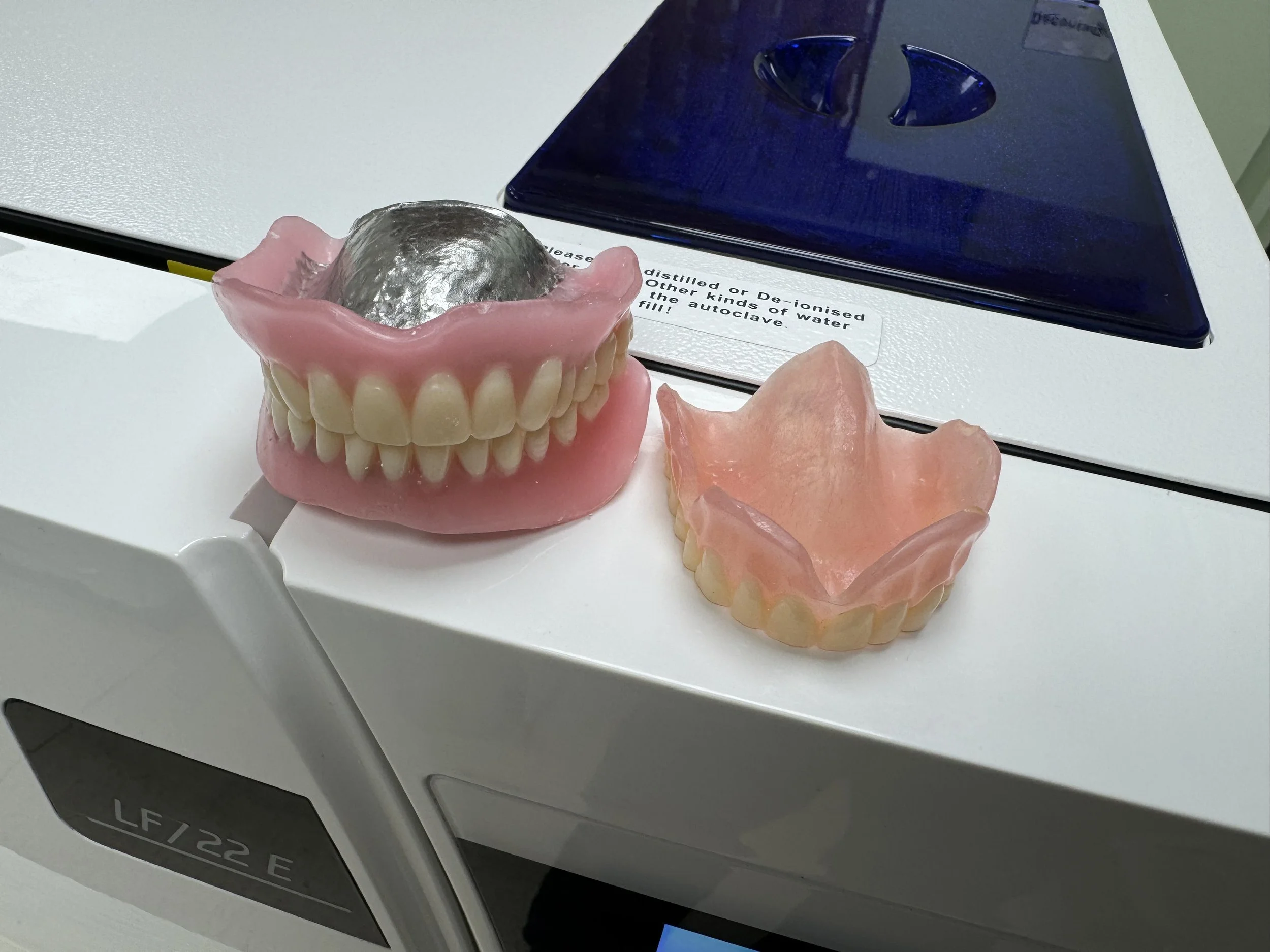
Lost Dentures During a Hospital Stay: A Common Issue and Our Solutions
Losing dentures during a hospital stay is a common issue that can cause significant distress. Our private mobile dental service in Worthing, Sussex, Surrey and parts of Hampshire offers quick and efficient denture replacements for patients in hospitals where practical and permitted by the setting, ensuring patients regain their comfort and ability to eat properly.
Losing dentures during a hospital stay is an increasingly frequent problem that can cause considerable distress for patients. Whether it's due to a brief visit for a minor procedure or a prolonged stay for more serious medical treatment, misplaced or lost dentures can significantly hinder a patient's ability to eat, chew, and maintain overall comfort. Unfortunately, this issue is all too common in hospitals across Worthing, Sussex, Surrey, and parts of Hampshire.
Why Dentures Get Lost in Hospitals
Hospitals are bustling environments where patients are often transferred between wards, leading to the misplacement of personal items like dentures. This can happen for several reasons, including a patient being moved to a different bed, confusion among hospital staff, or the dentures being misplaced by the patient, especially if they are unwell or disoriented. The consequences of lost dentures can be severe, causing difficulties in eating, discomfort, and even embarrassment, particularly for patients who are hospitalized for an extended period.
The Impact of Lost Dentures on Patients
For many patients, losing dentures is more than just an inconvenience—it's a significant healthcare concern. Without dentures, patients may struggle to chew their food properly, leading to nutritional issues and physical discomfort. This challenge is particularly acute for elderly patients, who are more likely to require long-term hospital care. It’s essential for hospital staff, including nurses and healthcare assistants, to understand the importance of dentures and to take extra precautions to prevent their loss.
Our Mobile Dental Service: A Solution for Lost Dentures
At the Clinic for Implant & Orthodontic Dentistry in Worthing, we recognise the distress that lost dentures can cause. That’s why we offer a comprehensive mobile dental service, also known as a domiciliary dental service, specifically designed to assist patients who have lost their dentures during a hospital stay. Our team of experienced dentists can visit patients directly in the hospital, whether they are in Worthing, Sussex, Surrey and parts of Hampshire, to advise on practical next steps, which may include denture replacement or repair where suitable.
High-Quality Denture Replacements Tailored to Your Needs
Our mobile dental service is built around convenience and efficiency, ensuring that patients who have lost their dentures can receive a replacement as quickly as possible. We offer a variety of denture options, including fully acrylic dentures and cobalt chrome dentures for both upper and lower teeth. These high-quality dentures are custom-made to fit each patient’s unique needs, helping them to regain their ability to eat, chew, and speak with confidence.
Private Care Enquiries for Patients in Hospital Settings
While our practice is private, denture-related enquiries may be considered for patients in hospital settings where practical and permitted by the setting. We offer clear guidance on the costs associated with replacement dentures and support patients through the process, ensuring they receive the necessary care. Our service is particularly beneficial for patients who, due to their hospital stay or health condition, are unable to visit a dental practice.
Working with Hospital Staff to Prevent Denture Loss
Beyond providing new dentures, we also collaborate closely with hospital staff to emphasize the importance of denture care during a patient’s stay. By educating nurses, healthcare assistants, and other hospital staff on the risks of lost dentures and the steps that can be taken to prevent this issue, we aim to reduce the frequency of this common problem.
Conclusion
Losing dentures during a hospital stay is a significant issue that can greatly affect a patient's health and wellbeing. At the Clinic for Implant & Orthodontic Dentistry, we are dedicated to offering prompt and effective solutions through our mobile dental service, ensuring that patients can quickly regain their comfort and dignity. If you or a loved one has lost dentures during a hospital stay, please don't hesitate to contact us for assistance. Our team is ready to help, providing the care and support needed to restore your smile.
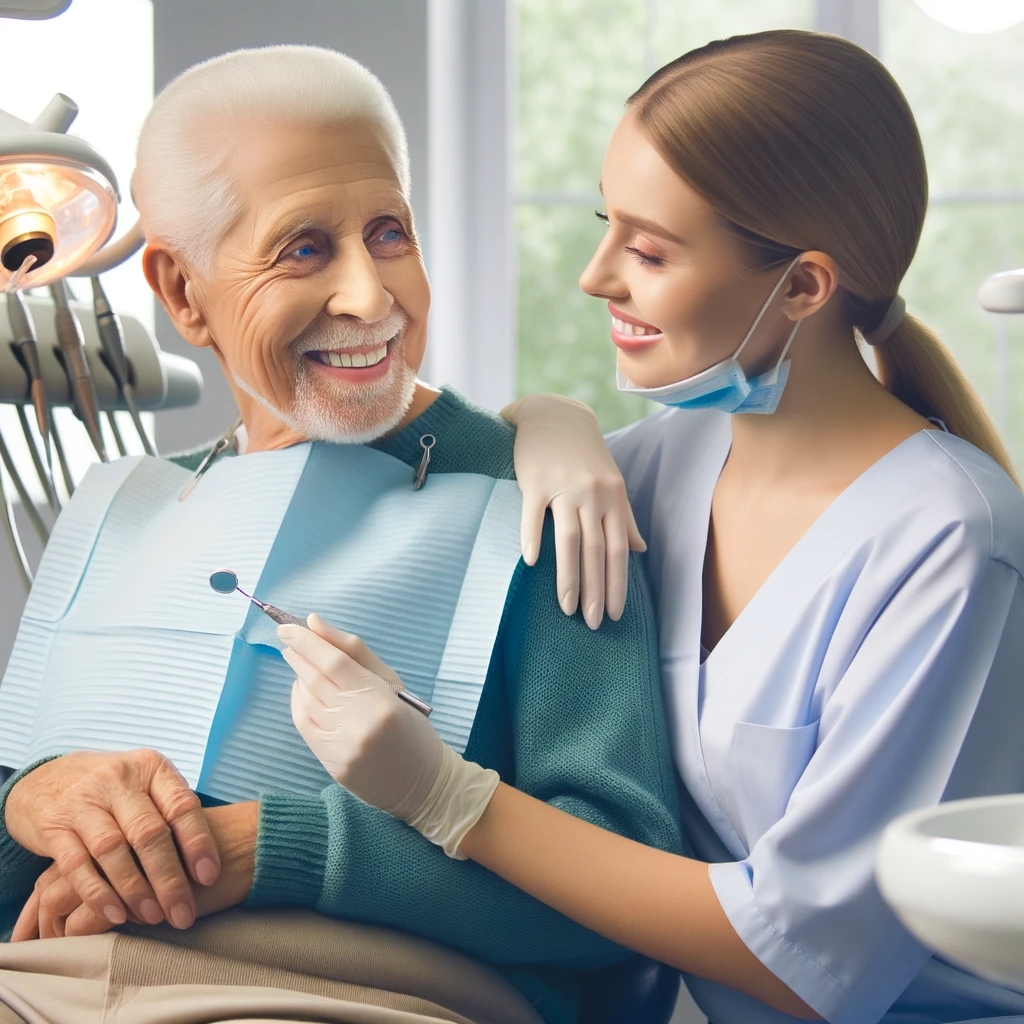
Ensuring Safe Dental Care for Patients on Anticoagulants and Antiplatelet Medications
This post delves into the critical aspects of providing dental care to patients on anticoagulant or antiplatelet medications. It outlines the protocols for assessing bleeding risks, managing treatment, and the necessary precautions to ensure patient safety and effective dental care.
Introduction
The administration of dental care to patients who are on anticoagulant or antiplatelet medications requires meticulous planning and consideration due to the risk of bleeding complications. These medications, including warfarin, aspirin, clopidogrel, and more recent Direct Oral Anticoagulants (DOACs) like apixaban and rivaroxaban, are crucial for patients with conditions that predispose them to thrombosis, such as atherosclerosis or cardiac arrhythmias.
Understanding Anticoagulants and Antiplatelet Drugs
Anticoagulants and antiplatelet drugs play a significant role in reducing the ability of blood to form clots. They work at different stages in the coagulation process, with antiplatelet drugs impacting the aggregation of platelets and anticoagulants inhibiting the coagulation cascade. These drugs are essential for patients at risk of thromboembolic events, but they increase the risk of bleeding, especially during invasive procedures like dental treatments.
Assessing Bleeding Risks
Before any dental treatment, it's imperative to assess the patient's risk of bleeding. This involves understanding both the likelihood of bleeding associated with the dental procedure and the individual's specific risk due to their medication, medical conditions, and other factors. Notably, while the risk of serious bleeding events is relatively low, all potential risks should be considered, and appropriate preventive measures should be taken.
Treatment Protocols for Patients on Anticoagulants or Antiplatelet Drugs
Standard Procedures for Low Risk of Bleeding: In cases where the dental treatment poses a low risk of bleeding, standard dental procedures can be followed with careful measures to avoid causing bleeding.
Deferring Lower-Priority Procedures: For patients on a time-limited course of these medications, it's advisable to postpone lower-priority invasive dental procedures until the medication course is complete. In emergencies, dental treatments may be coordinated with the patient's healthcare provider.
Precautions in Remote Locations: For patients in remote or rural areas where escalation of care may be harder to arrange, additional precautions such as limiting the treatment area and extended post-operative monitoring are recommended.
Managing Bleeding Risks
Effective management of bleeding risks involves the following:
Local Haemostatic Measures: Utilising techniques like packing open sockets with haemostatic material and suturing to stabilize the wound and clot packing material.
Ensuring Haemostasis Before Discharge: Making sure that bleeding has stopped before the patient leaves the dental practice.
Using Alternative Pain Relief Methods: Recommending paracetamol instead of NSAIDs like aspirin or ibuprofen for post-treatment pain relief to minimise the risk of bleeding complications.
Consulting Healthcare Providers
It's crucial to collaborate with the patient's healthcare provider, especially if there's uncertainty about the impact of their medication on bleeding risks. Consulting in advance can help in making informed decisions and reduce the need for rescheduling treatments.
Conclusion
Dentists must be well-equipped with knowledge and resources to manage patients on anticoagulant or antiplatelet drugs effectively. By assessing risks accurately, employing appropriate haemostatic measures, and coordinating with healthcare providers, dental practitioners can provide safe and effective treatment to these patients.
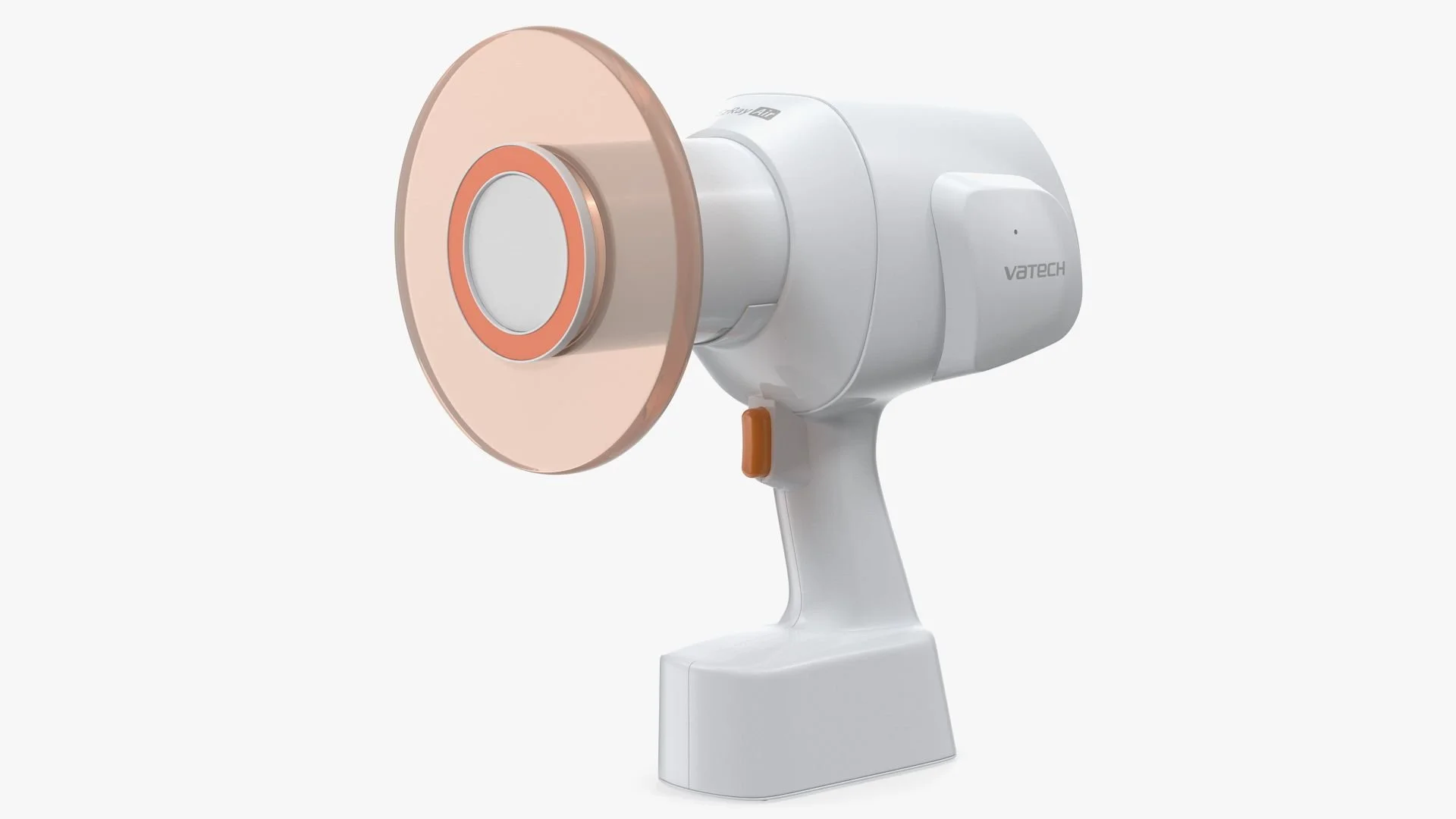
The Critical Importance of X-Rays in Mobile Dentistry: Improving Home-Based Dental Care
In the world of dentistry, where precision and thoroughness are paramount, dental X-rays play a pivotal role in ensuring comprehensive patient care. At the Clinic for Implant & Orthodontic Dentistry in Worthing, we use mobile X-ray equipment where suitable to support dental assessment and treatment planning. These mobile devices allow us to delve deeper into oral health, revealing hidden issues that visual examinations alone cannot uncover. From detecting small areas of decay to assessing bone health and identifying tumours, dental X-rays offer a holistic view of your oral well-being. It's all part of our commitment to supporting assessment, diagnosis and treatment planning.
The pursuit of excellence in patient treatment is an ongoing commitment in the ever-changing field of dentistry. It is essential for a private dentist like us, who provides home-based dentistry to homebound patients, to remain on the equipment and processes suitable for home-based dental assessment and treatment planning. Utilising intraoral mobile x-ray devices for in-home visits is a significant innovation that has revolutionised our practise. In this blog, we'll examine the significance of x-rays as a diagnostic tool in mobile dentist visits and how it enhances our mission of supporting assessment and treatment planning where suitable.
Why Are Dental X-Rays So Crucial?
When there is a problem with your teeth, your dentist will conduct a visual examination to determine the cause. However, a visual examination does not always reveal all pertinent information. Here, X-rays can be advantageous. They aid dentists in detecting disease or decay that is not visible to the unaided eye.
So Why Are Dental X-Rays Important?
X-rays, also known as radiographs, give your dentist the ability to see between and within your teeth. Dental X-rays are essential because they give your dentist a complete picture of your oral health. They allow dentists to evaluate your teeth, roots, mandible placement, and facial bone composition. This all-encompassing perspective aids your dentist in identifying and resolving dental issues before they worsen.
What Does a Dental X-Ray Reveal?
X-rays of the teeth can reveal an abundance of information, including:
Even the slightest cavities between teeth can be detected early and treated to prevent extensive damage.
Decay beneath fillings: X-rays can disclose hidden decay beneath existing dental work.
Cysts and other forms of tumours: Early detection is essential for prompt treatment.
Bone loss in the mandible due to periodontal disease: Assessing bone health is vital for long-term oral health.
The position of the teeth helps determine whether denture care, clinic-based assessment or referral may be appropriate.
Identification of these infections is crucial for prompt treatment of abscesses.
Varieties of X-Rays
Various varieties of dental X-rays serve distinct functions. The most prevalent examples include:
X-rays of the bitewing are used to detect early deterioration between the back teeth, or bicuspids.
Periapical X-rays are useful for focusing on specific molars or problem areas.
Additional radiographs such as panoramic X-rays, occlusal X-rays, cephalometric X-rays, and cone-beam computed tomography (CBCT) provide even more specialised insights when necessary.
How Frequently Are X-Rays Required?
Depending on the patient's oral health, the frequency of dental X-rays will vary. Some individuals with gum or dental maladies may require X-rays every six months, whereas those with stable oral health may only need them every two years. New patients might undergo a panoramic X-ray to assess their overall oral health status. It's essential for your dentist to tailor the X-ray schedule to your specific requirements.
How Safe Are Dental X-Rays?
When it comes to radiation exposure, safety is a valid concern. Nevertheless, dental X-rays are regarded as secure. They expose you to low levels of radiation with minimal associated hazards. Moreover, it's essential to emphasise that prevention is the cornerstone of good oral health. Regular brushing and flossing can substantially reduce the risk of tooth decay, ultimately reducing the need for X-rays.
In conclusion, although receiving a dental X-ray may not be the most pleasant experience, it is an invaluable diagnostic instrument for detecting tooth decay and other dental problems in their earliest stages. This will not only save you money, but it will also prevent unnecessary suffering and keep your smile bright and wide. At the Clinic for Implant & Orthodontic Dentistry in Worthing, mobile x-ray units may be used where suitable to support dental assessment and treatment planning for housebound patients. The diagnostic benefits of these devices significantly transcend their expense, ensuring that we can continue to provide appropriate care to our valued patients.

Domiciliary Dental Care: Improving Oral Health and Life Quality
Read about domiciliary dental care for housebound patients in West Sussex, where we've been serving housebound, care home residents, and hospital patients for over 27 years. Our mission is to enhance your Oral Health Related Quality of Life (OHRQoL). We specialize in addressing prevalent issues like decayed teeth, sharp enamel edges, and dry mouth caused by medication. Our comprehensive services, backed by extensive experience, support oral health, comfort, and quality of life . Don't let dental issues compromise your quality of life. Contact us today to benefit from our expert care and enjoy a healthier, more comfortable life.
Domiciliary Dental Care: Improving Oral Health and Life Quality
We have been helping the Surrey, East Sussex, and West Sussex communities for over 27 years in a world where having access to high-quality healthcare is essential. Our goal is to ensure that everyone, regardless of mobility or location, may have good dental health and a high dental Health Related Quality of Life (OHRQoL). This objective is straightforward yet has a significant impact.
Due to our considerable experience, we have been able to diagnose and treat the most typical dental problems that hospital patients, residents of care homes, and patients who are housebound encounter. These problems are frequently a result of the particular difficulties and conditions that these people must deal with. In this log, we'll examine these difficulties and discuss how our in-home dental care services might significantly improve things.
Dental Issues Facing Housebound Patients
Teeth that Have Been Broken or Severely Worn Down: One of the most frequent problems we run into is the deterioration of teeth from severe decay. Accessing routine dental care can be difficult for patients who are housebound, which can result in untreated oral issues that get worse over time. Broken teeth, jagged enamel edges, and worn-down surfaces can hurt and impair one's quality of life in general.
Teeth that Have Been Broken or Severely Worn Down: One of the most frequent problems we run into is the deterioration of teeth from severe decay. Accessing routine dental care can be difficult for patients who are housebound, which can result in untreated oral issues that get worse over time. Broken teeth, jagged enamel edges, and worn-down surfaces can hurt and impair one's quality of life in general.
Dry Mouth: A common side effect of medication, dry mouth affects a lot of older folks. This can make dental problems worse because saliva is essential for protecting teeth and preserving oral health. Dry mouth not only causes discomfort but also accelerates gum disease and tooth damage.
How to Understand OHRQoL (Oral Health Related Quality of Life)
OHRQoL is a multifaceted concept that includes a number of characteristics of a person's wellbeing connected to oral health:
Subjective assessment of oral health: An individual's perception of their mouth health has an impact on their general wellbeing.
Functional Well-Being: The comfort with which important oral activities like chewing and speaking can be carried out
Emotional Well-Being: A person's oral health has a big impact on their emotions, especially their self-esteem and confidence.
Expectations and Care Satisfaction: How satisfied people are with their dental care and whether their expectations are fulfilled
Sense of Self: How one's sense of self and self-worth are impacted by their oral health
OHRQoL-Affecting Factors
OHRQoL is known to be impacted by a number of issues, notably in elderly or housebound people:
Ability to comfortably chew food: Good nutrition and general health depend on this ability.
Perceived Dental Treatment Need: Postponing or skipping dental care due to a lack of mobility can have a detrimental impact on OHRQoL.
Self-Rated Health: A person's dental health may have an impact on how they perceive their overall health.
Mental health: Dental issues can exacerbate depression and anxiety.
Cognitive Status: People who have cognitive limitations frequently struggle with oral health issues that are more severe.
Our Solutions for Dental Care Provided at Home:
We provide private in-home dental care in West Sussex, Surrey and East Sussex where practical. Our team is committed to meeting the particular requirements of hospital patients, residents of care facilities, and housebound patients. What distinguishes us is this:
27 Years of Experience: With more than 20 years of experience, we have developed a strong understanding of how to deliver dental treatment in unconventional circumstances. Nobody is more familiar with the nuances of in-home dental treatment than we are.
Comprehensive Services: We provide a comprehensive range of services that are adapted to the needs of each patient, from regular check-ups and cleanings to dealing with severe dental difficulties.
Flexible Coverage: Although we primarily serve West Sussex, we are willing to take extraordinary instances from other areas into consideration.
Preventive Approach: To stop the buildup of dental issues and stop escalating treatment expenses, we emphasise the need for routine check-ups and preventive care.
Don't let oral problems affect the OHRQoL of you or a loved one. Call 01903-821822 to make an appointment if you or someone you know needs in-home dental care in West Sussex, Surrey, or East Sussex. Let us assist you in preserving excellent dental health and improving your general quality of life.
At Domiciliary Dental Care, we are more than simply dentists; we are your partners in obtaining first-rate dental care that is brought right to your home, enabling you to live a healthier, happier, and more comfortable life.

Overcoming Challenges in Dental Treatment for Patients with Alzheimer's and Dementia
Discover how dentists overcome unique challenges in providing dental care to Alzheimer's patients through mobile dentistry solutions. Expert coordination, experience, and careful planning ensure quality treatment for housebound individuals, improving their overall well-being. Learn more about the innovative approach to dental care for those with dementia.
Introduction
When treating people with Alzheimer's and dementia, dentistry is clearly a difficult field with minimal margin for error. With an estimated 944,000 people in the UK alone being diagnosed with Alzheimer's or dementia, these disorders are extremely prevalent. Many of these patients need dental care, such as dentures or extractions, and are confined to their homes or bedridden. But for them, going to a conventional dental office is frequently not an option. In this article, we'll look at the obstacles faced by dentists in treating these patients' dental needs and how careful preparation, teamwork, and expertise may help.
The Difficulty of Making Dentures at Home
It usually takes three to five sessions to finish the laborious procedure of making a decent denture for any patient. Cooperation, however, might be hard to come by while working with Alzheimer's patients. The technique may become considerably more difficult if some patients refuse to take imprints or record their bite. For the treatment to be modified to the patient's specific requirements and condition, the dentist's knowledge and experience are essential.
Coordination between the care facility staff, family, and dentist
A dentist can function autonomously in a clinical context to deliver different procedures, such as extractions and dentures. Coordination between the dentist, the patient's family, and care facility staff is crucial when treating people with dementia, though. In this procedure, the dentist must take the lead and oversee proper communication and comprehension among all parties. The smooth administration of care is made possible by this collaborative approach, which also serves to establish a supportive environment for the patient.
The importance of qualifications and experience
More than simply dental knowledge is needed for people with dementia to be successfully managed. For a dentist to successfully traverse the special hurdles faced by these patients, postgraduate training, credentials, and years of experience are essential. Treatment outcomes can vary significantly depending on how patients with dementia are approached and interacted with. Additionally, a skilled dentist can prevent treatments that are not necessary because they are aware that not all procedures can be completed at home, which considerably lowers costs.
The Price and Difficulties of Mobile Dentistry
The cost of general dentistry in a dental clinic is significantly lower than that of mobile dentistry, which involves providing dental care in nursing homes or residential settings. Travel time and equipment expenses are higher for dentists and occasionally nurses. Additionally, because of the unfamiliar surroundings, treatments could take longer, and making appointments for seniors can be difficult. Despite these obstacles, there are more advantages to providing dental care to people who cannot access conventional clinics than drawbacks.
Conclusion
The practise of dentistry is obviously arduous, and treating people with Alzheimer's and dementia adds a special set of challenges. These illnesses are very common, and many patients are confined to their homes or beds and unable to visit a dental clinic because of this. These obstacles can be addressed, though, with careful planning, teamwork, and the expertise of skilled dentists.
The dentist's capacity to assume leadership and work with the patient's family and care facility staff in concert is crucial to a successful course of treatment. Dental care can be effectively provided even in a home setting by comprehending the unique needs of each patient, avoiding unnecessary procedures, and developing a clear treatment plan. Mobile dentistry is a lifeline for older people with dementia, ensuring they receive the dental care they need and enhancing their overall quality of life, despite the additional costs and logistical difficulties it presents.

Mobile Dental X-rays and Treatment Planning for Suitable Home Visits
Information about mobile dental X-rays and how they may support assessment and treatment planning where clinically suitable for home and care home visits.
Introduction: As dentistry develops, so does the process by which we provide dental care to those who need it the most. By offering housebound, bedbound and care facility residents comfortable treatments, mobile dentists have transformed the field. Mobile dental X-ray equipment may support assessment and treatment planning where clinically suitable. In this blog post, we examine how mobile X-rays can help dentists gather additional information during suitable home and care home visits.
A Greater Understanding of Root Issues: Sometimes, when it comes to oral health, the outward indications alone don't provide the full picture. The general oral health of a patient can be greatly damaged by concealed dental problems such decay, bone loss, impacted teeth, or even hidden infections. Mobile dentists with suitable dental X-ray equipment can investigate these underlying issues in more detail. Dentists can see problems that might otherwise go unnoticed during a typical visual checkup thanks to the detailed images produced by x-ray diagnostics.
Improved Diagnostic Accuracy: Dental x-rays are essential for enhancing diagnostic precision for travelling dentists. X-rays give dentists the ability to precisely identify and assess the extent of dental abnormalities by taking detailed images of teeth, roots, and surrounding structures. This knowledge is crucial for creating a thorough treatment strategy that caters to the individual needs of each patient. Mobile dentists can deliver suitable and targeted treatments with an exact diagnosis, supporting appropriate assessment and treatment planning for patients.
Better Treatment Planning and Results: Having access to mobile dental X-ray equipment may support treatment planning where clinically suitable. Dentists can create treatment plans that take into account both acute issues and long-term oral health objectives by having a thorough awareness of their patients' oral health conditions. The ability to see the internal structures makes it easier to choose the appropriate course of action for therapy, such as root canals, extractions, or denture insertions. Better treatment outcomes, increased patient satisfaction, and long-term dental health advantages result from this degree of accuracy.
Pushing the Limits for Better Solutions: At Mobile Denture Services, mobile dental X-rays may be used where suitable to support assessment and treatment planning. Appropriate equipment can help dentists gather additional clinical information for housebound, bedbound and care home residents.
For mobile dentists, access to dental X-ray technology can help identify underlying causes of dental issues and support treatment planning where clinically suitable. At Mobile Denture Services, we use mobile dental equipment to support assessment and care planning for suitable home, care home and hospital visits.

Why You Should Choose Us As Your Mobile Dental Provider?
Why us ?
- When it comes to dental care, finding a trustworthy and experienced dentist is crucial for maintaining good oral health. At Clinic for Implant & Orthodontic Dentistry, you can be confident that you’ll receive exceptional treatment. With dedication to uncompromising excellence and a variety of modern methods.
- Dr. Mostofi, a highly accomplished dental professional, possesses an extensive and outstanding set of credentials and training. With specialised diplomas in Orthodontics and a Master’s degree in Dental Implantology among renowned universities in the UK, he brings a wealth of knowledge to his practice. Having received training at Cambridge and Bristol universities, Dr. Mostofi is equipped with the latest techniques and advancements in dental implantology. Additionally, he is currently pursuing further education in Comprehensive Clinical Orthodontics at Warwick University, showcasing his commitment to continuous learning and staying at the forefront of dental innovation.
- With a practice established since 1999, Dr. Mostofi holds the distinction of being the longest-serving dentist in Worthing town centre. This longevity speaks volumes about the trust and satisfaction of his patients over the years. What sets Dr. Mostofi’s clinic apart is their dedication to providing consistent care. During a mobile visit, care is provided by the mobile dental team, with continuity where practical.
- The clinic can advise on appropriate care routes for different dental concerns. Some care may require clinic-based assessment, laboratory work or referral to another suitable service. The team can explain which care route may be appropriate after considering the patient's needs and circumstances.
- Dr. Mostofi's clinic is open six days a week and conveniently situated in Worthing town centre with excellent public transportation access, as we recognise the value of convenience and accessibility. We also provide private ambulance transport services for patients in need and are willing to visit care homes or hospitals for housebound individuals. For anxiety or fear, nervous patients can ask about suitable care routes; some options may require clinic-based assessment. Additionally, for more complex dental treatment, we can refer to local hospitals for dental treatment.
- The clinic is a recognised member of the British Orthodontic Society (BOS), and Dr. Mostofi is a specialist member of the British Dental Association (BDA) and a member of the International Team of Implantology (ITI), which attests to their knowledge and professionalism. These affiliations demonstrate their dedication to keeping informed of dental care advancements and upholding the highest standard of patient care.
- At Dr. Mostofi's clinic, adherence to the highest standards of safety and hygiene is paramount. They utilise a fully automatic decontamination procedure, supporting recognised infection-control processes.
- If you have dental pain, swelling, a broken tooth or another concern, contact the clinic so the team can advise on the appropriate next step. This applies to dental concerns that need advice, including situations where you need advice about a dental concern.
- If you have a dental concern, contact the clinic so the team can advise on the appropriate next step. The clinic can explain whether a mobile visit, clinic appointment or another care route may be more suitable.
- We are a dedicated practice that goes above and beyond for our patients. With our commitment to providing exceptional care, we proudly offer a range of financial options to ensure your dental treatments are accessible and affordable. Our practice is pleased to provide a 0% interest-free, flexible payment plan, subject to status, allowing you to manage your dental expenses without any additional financial burden. Moreover, we have implemented a budgeting scheme/payment plan, enabling you to spread the cost of more extensive treatments over a period that suits your circumstances. At our practice, your oral health and financial comfort are important considerations, ensuring that you receive the care you deserve without any financial stress.

What types of patients benefit most of domiciliary dentistry?
Domiciliary dentistry is a branch of dentistry that provides dental care services to patients in the comfort of their homes. This type of dental care is essential for patients who are unable to visit a dental clinic due to physical or mental limitations. The domiciliary dentistry service caters to patients of all ages and provides a range of dental services. However, certain types of patients may benefit more from domiciliary dentistry than others.
The elderly population is one of the main groups that benefit from domiciliary dentistry services. As people age, their mobility and overall health may decline, making it difficult for them to visit a dental clinic. Domiciliary dentistry allows dental professionals to provide dental care services to the elderly at their homes, which helps to alleviate their discomfort and inconvenience. Additionally, the elderly population may require specialized care due to various oral health conditions that can affect their quality of life. Domiciliary dentistry can provide these patients with access to specialized dental care services, such as denture fittings and adjustments, which can improve their oral health and overall well-being.
Children with special needs are another group that can benefit from domiciliary dentistry services. Children with special needs may require a specialized approach to dental care due to physical and/or mental limitations. These children may experience difficulty sitting in a dental chair or may have difficulty communicating with the dentist. Domiciliary dentistry provides a relaxed and comfortable environment for these children, allowing dental professionals to provide the necessary dental care services while taking into account their unique needs and limitations.
Patients with mobility issues can also benefit from domiciliary dentistry. Individuals with physical disabilities may have difficulty accessing a dental clinic due to transportation or mobility issues. Domiciliary dentistry brings dental care services to the patient, eliminating the need for transportation and making it easier for them to receive the necessary dental care services. This type of service may also be beneficial for patients recovering from surgery or those who are bedridden, as it allows them to receive dental care services without leaving their home.
Patients with dental anxiety or phobia may also benefit from domiciliary dentistry services. Dental anxiety is a common condition that affects many patients and can prevent them from seeking dental care services. Domiciliary dentistry provides a more relaxed and comfortable environment for these patients, which can help to alleviate their anxiety and allow them to receive the necessary dental care services.
In conclusion, domiciliary dentistry is a valuable service that provides dental care services to patients in the comfort of their homes. While this service caters to patients of all ages and provides a range of dental services, certain types of patients may benefit more from domiciliary dentistry than others. The elderly population, children with special needs, patients with mobility issues, and patients with dental anxiety or phobia are some of the groups that may benefit the most from domiciliary dentistry services. By providing specialized care and a comfortable environment, domiciliary dentistry can improve the oral health and overall well-being of these patients, making it a vital component of the dental care industry.

What is Mobile Dentistry?
Using portable equipment, mobile dentistry provides dental services outside of a dental office. These mobile devices offer a wide range of services, most of which are preventative. It is especially helpful for those who can't leave their neighbourhood or place of residence but yet wish to access dental treatments.
How does mobile dentistry work?
Mobile dentistry offers on-site dental treatments so that patients can receive care while relaxing in the comfort of their own homes. For the convenience of patients who are either unable to leave their homes or are admitted to hospitals or community centres, mobile dentists give care in dental vans.
A recent development in the dental sector is mobile dentistry, which offers a mobile dental office. It provides a great deal of convenience for people living in nursing homes, assisted living facilities, retirement communities, or rehab facilities.
What types of services do mobile dentists offer?
With the use of sophisticated equipment, mobile dentists typically offer comprehensive and diagnostic services. The most common types of services, though, are screening, referral, and preventative. The following is a list of the services that mobile dentists offer.
Surgical procedures include extractions or fillings.
Anticipatory advice on self-care and treatment options.
Dental hygiene, tooth washing, dental sealants, silver diamine fluoride, etc. are examples of preventive care.
Oral examinations and diagnosis.
Organising appointments, making recommendations, and managing cases.
Health Advantages of Mobile Dental Services:
-Accessibility: People who are too elderly to move, bedridden, or in wheelchairs can easily access mobile dental services in their homes. Additionally, it lowers their travel expenses and offers an excellent alternative when travel to a dental clinic is difficult, subject to assessment and suitability.
-Providing compassionate dental care is easy.
-It offers significant comfort to those who experience oral pain and need prompt medical attention. Patients don't have to go to the dentist alone because it employs portable technology and takes the treatment home.
-Familiar surroundings: Mobile dental clinics are a valuable resource for underserved regions and offer a relaxed setting for treating patients. Patients who experience any form of pain during a dental procedure are treated with compassion by mobile dentists, who also help them to relax.
Final Reflections
For those who have trouble moving about, are elderly, or have disabilities, mobile dentistry is a preferable option. By receiving dental care at their door, they are able to save money, time, energy, and resources. If you're unsure of whether you qualify for our mobile dentistry services, get in touch with us right away to make an appointment.